
Navigating Vancouver's Building Permits: A Homeowner's Guide
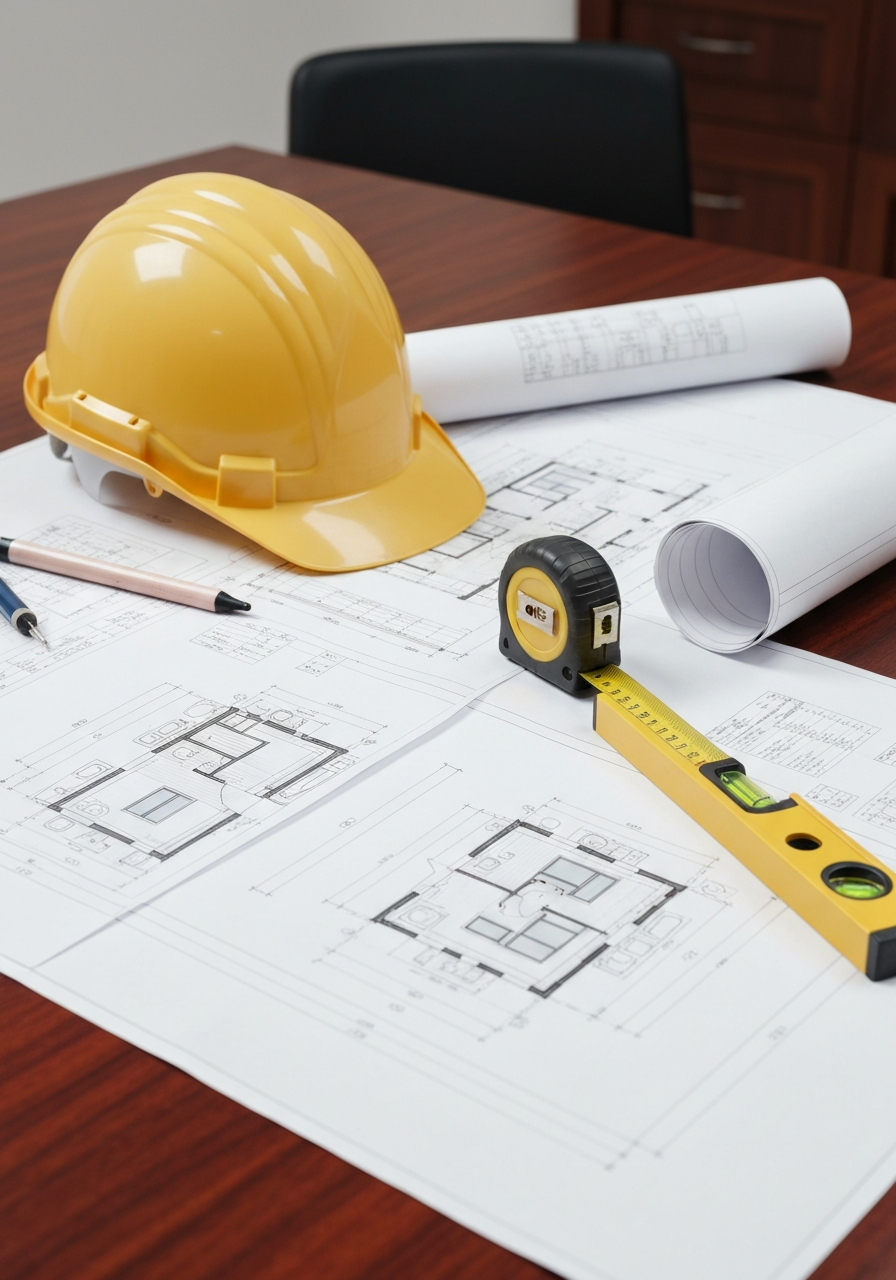
Securing building permits in Vancouver can be one of the most daunting phases of building a custom home or undertaking a major renovation. With strict zoning bylaws, environmental considerations, and neighborhood-specific guidelines, the paperwork alone can delay a project by months if not handled correctly.
1. Understanding Zoning and Development Bylaws
Before you even draft your first set of plans, you must understand your property's zoning. Vancouver is divided into various zones (like RS-1 for single-family, RT for duplexes, etc.), each dictating what you can and cannot build. These rules govern everything from the maximum square footage (Floor Space Ratio) to the height of the roof and how close you can build to the property lines.
2. The Development Permit vs. Building Permit
Many homeowners confuse these two. A Development Permit ensures your proposed design complies with city zoning and design guidelines. It's about how the building looks and sits on the lot. A Building Permit ensures the structure is safe and complies with the BC Building Code. It's about how the building is constructed.
3. The Importance of a Pre-Application Review
At Blackcastle Homes, we always recommend a pre-application review for complex projects. This allows our architects and planners to sit down with city officials to identify potential roadblocks before we submit the final application, saving you time and money.
4. Timeline Expectations
Patience is key. Depending on the complexity of your build and the current backlog at City Hall, securing permits can take anywhere from a few months to over a year. Partnering with an experienced builder who understands the nuances of the Vancouver permitting process is the best way to ensure your application moves smoothly through the system.